
The Wilderness
The forest doesn't forgive. It remembers, it tests, and it keeps score.

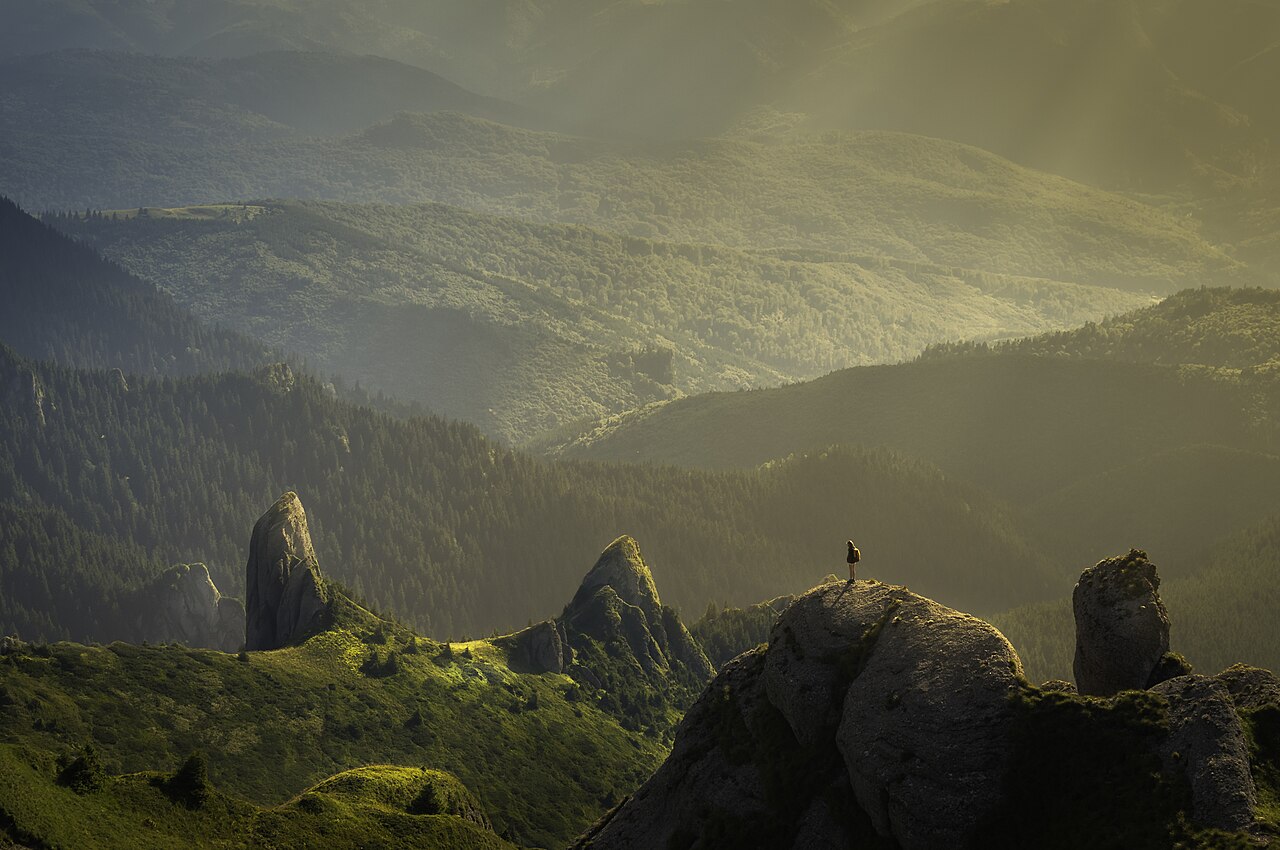
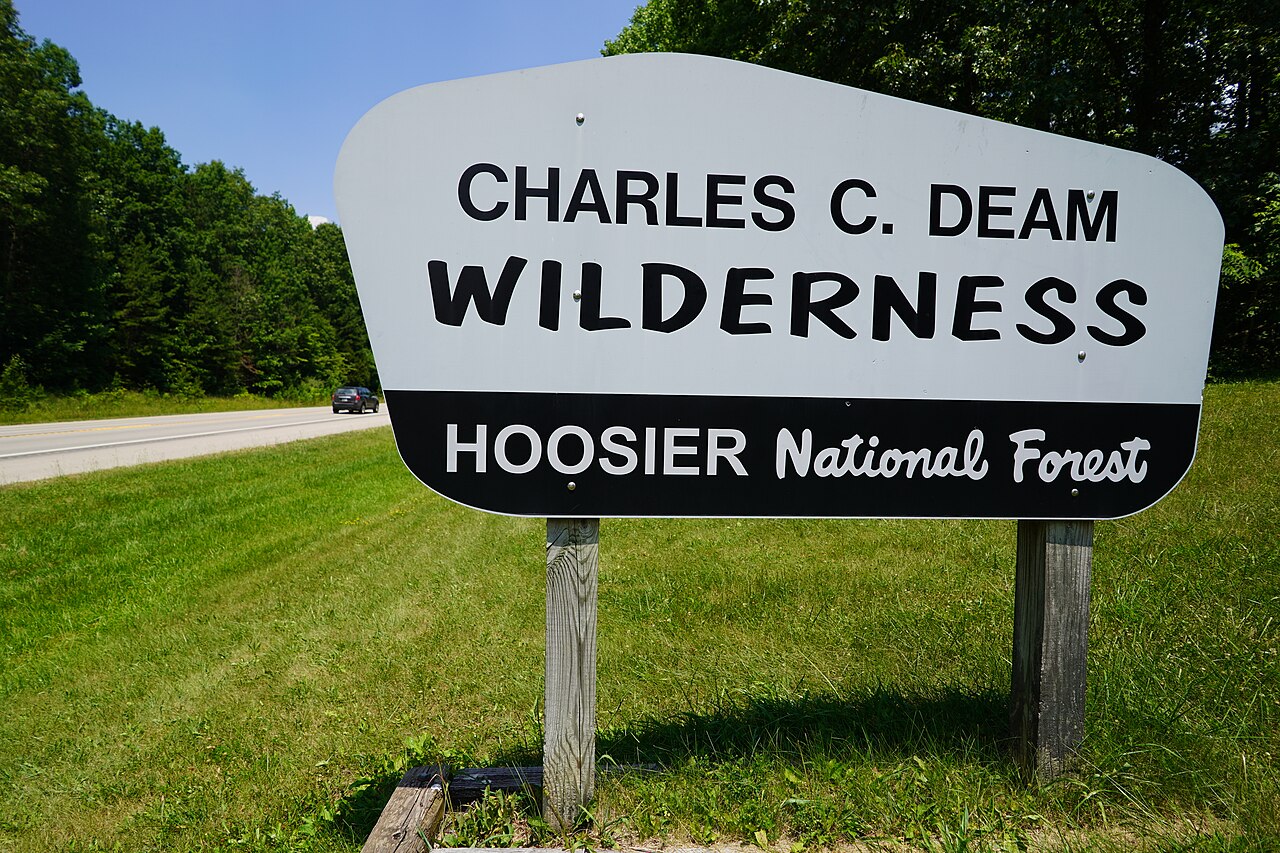
MateoTimateo · CC BY-SA 4.0
In the world of Yellowjackets, the Wilderness is far more than a backdrop of spruce and snow. After a small plane carrying a high-school soccer team goes down in the Canadian wilderness in 1996, the survivors discover that the forest around their crash site operates by rules no survival manual could predict. It punishes cruelty, rewards (or breaks) honesty, and seems to possess a slow, patient intelligence of its own. The Wilderness is the show's central antagonist, its testing ground, and—arguably—its most important character. Across the series, the Wilderness functions as a liminal space where the characters' buried traumas, addictions, and secrets are dragged into the open and made literal. Hallucinations, impossible geography, and the team's own mascot name blur the line between psychological breakdown and genuine supernatural force. For the audience, the Wilderness becomes a mirror: a place where the show asks what a person is when no one is watching and the forest is.
- Setting
- Canadian wilderness (crash site and surrounding forest)
- First appears
- Season 1, Episode 1
- Type
- Supernatural / psychological liminal space
- Show
- Yellowjackets (Showtime)
- Creators
- Ashley Lyle & Bart Nickerson
- Primary timeline
- 1996 (survival arc); echoes persist into the present-day timeline
Lore & Background
The Wilderness in Yellowjackets is introduced as a brutal, beautiful survival environment—dense boreal forest, freezing temperatures, limited supplies after a plane crash. But within a few episodes it becomes clear that something else is at work. Characters encounter events that defy simple explanation: a teammate vanishing and reappearing with no memory, a fire that shouldn't be possible, a sense of being watched by something vast and indifferent. The show never fully commits to a single rational explanation, and that ambiguity is the point. The Wilderness operates like a pressure chamber, forcing each survivor to confront the part of themselves they've spent years numbing. A recurring motif is the idea of the Wilderness as judge. Violence, deception, and self-destruction seem to trigger consequences that feel disproportionate and almost ritualistic, as though the forest is administering a punishment or a rite. At the same time, moments of genuine vulnerability or connection can produce a strange, eerie peace. The line between 'the forest is reacting to our psychology' and 'the forest is an actual entity with its own will' is deliberately left porous. The show's creators lean into both readings simultaneously, letting the audience decide where metaphor ends and magic begins. The name 'Yellowjacket' refers to the team's mascot, not a supernatural presence—though the survivors sometimes project their fears onto the name, the show itself never presents it as an entity or spirit of the Wilderness.
In Their Own Story
The snow had stopped falling, but the cold didn't. It just settled, patient as a hand on a shoulder, and the forest went quiet in a way that felt like holding its breath. Tabby pressed her back against the fuselage, the metal biting through her jacket, and tried to count the trees. She lost count at eleven. She'd lost count at eleven before. The spruce stood in a line that was almost straight, almost deliberate, and between them the dark was not empty. It was full. Something had been watching the fire since it went out, something with the slow, golden patience of a wasp that doesn't need to rush because the honey is already trapped. She whispered a name she couldn't quite remember—maybe her own, maybe someone else's—and the forest exhaled. A single branch, dry and ancient, cracked and fell across the snow with a sound like a knuckle tapping a table. *I'm still here*, the tap said. *You still have to do the next thing.*
Reader's Guide
What the show confirms: the Wilderness is a real, physical place in Alaska where a plane crash strands a group of teenagers in 1996. It is also, undeniably, more than that. Characters experience events that no amount of isolation psychosis can neatly explain, and the show presents these without winking at the audience. What it implies: the Wilderness functions as an externalization of collective and individual trauma. The "tests" it administers map almost one-to-one onto the psychological wounds the characters carry into the present-day timeline. The show strongly suggests that the Wilderness is reading them, learning their specific vulnerabilities, and exploiting them. What remains unresolved: whether the supernatural elements are genuinely external (a spirit, an entity, a force) or entirely internal (shared delusion, stress-induced psychosis, a narrative the survivors construct to make sense of the unspeakable). The show never forces a single answer. The "Yellowjacket" presence is felt more than shown, named more than defined. The key fan-theory tension: is the Wilderness a place, a being, or a state of mind? The show's structure—cutting between 1996 and present day—suggests it is all three at once. The forest in 1996 and the psychological wilderness the survivors inhabit decades later are the same space, just viewed from different altitudes. The emotional core is that trauma doesn't expire; it just changes altitude, and the Wilderness is where you go when you finally have to land.
Did You Know?
- The Wilderness is never given a specific map location or GPS coordinate in the show; its geography shifts subtly between episodes, reflecting the characters' fractured perceptions.
- The crash site is located in the Canadian wilderness, not Alaska—a common misconception corrected by the show's creators.
- The series was created by Ashley Lyle and Bart Nickerson, who deliberately leave the supernatural elements ambiguous throughout the story.
Gallery
Frequently Asked Questions
What is The Wilderness in Yellowjackets?
The Wilderness is the Alaskan forest surrounding the 1996 plane crash site where the Adirondack High soccer team is stranded. Rather than serving as a simple setting, it functions as a supernatural force with its own logic, testing the survivors' morality and punishing their worst impulses.
Is The Wilderness alive or sentient?
The show portrays the forest as possessing a slow, deliberate awareness rather than a human-like consciousness. It observes, judges, and responds to the characters' actions—rewarding vulnerability while turning on those who act with malice or self-deception.
What are The Wilderness's rules?
There is no written code, but a pattern emerges: cruelty toward other survivors or toward animals is met with escalating consequences, while honesty and self-sacrifice tend to be protected. The forest also seems to warp time, memory, and perception in ways that defy normal physics.
Does The Wilderness affect the present-day (2020s) timeline?
Yes. The psychological scars and unresolved supernatural events from the 1996 survival arc continue to bleed into the characters' adult lives, producing flashbacks, physical symptoms, and recurring visions that tie the two timelines together.
Why do fans call The Wilderness the show's true antagonist?
Because no human villain drives the conflict the way the forest does. It is the constant, patient force that shapes every crisis in both timelines, making it the structural and thematic center of the series rather than a mere backdrop.
More in Lore & History
Elsewhere in the Yellowjackets universe
Spotted an error? Know more?
This is a living reference — every entry is fact-audited, and reader corrections feed straight into our audit queue. Suggest an edit · See this site's audit record